Published on 27 July 2026

Emergencies do not send calendar invites. When cash runs out and the clock is ticking, the right emergency business loan can be the difference between survival and closure.
Immediate help: how Enable Finance funds emergency business needs today
A failed Friday afternoon payroll run, a broken delivery vehicle on a Monday morning, or an unexpected HMRC demand landing on your desk - any of these can threaten a trading business overnight. Emergency loans help businesses recover financial stability quickly, but only if you can access quickly the funds you need.
As a commercial finance broker, Phillip Evans, with over 30 years of UK business finance experience, I specialise in arranging emergency business loans for UK businesses and small businesses across England, Scotland, Wales and Northern Ireland. Our unsecured emergency business loans can be approved and paid out within four hours of receiving the necessary information, often on the same trading day.
We work with a panel of specialist lenders rather than traditional lenders or high-street banks, so we can consider cases with adverse credit, CCJs, arrears, or previous insolvency on a case-by-case basis. Emergency loans can provide funds within 24 hours - and in many cases, far sooner. Our focus is practical: keeping staff paid, suppliers on side, and doors open while the underlying issue is fixed.

What is an emergency business loan and when should you use one?
An emergency business loan is short-term or medium-term business funding arranged and paid out rapidly to handle urgent, unplanned costs. These are typically short term loans - designed around speed of decision and access to cash rather than lengthy credit committees. Emergency business loans are typically short-term loans, though repayment periods for emergency loans can range from 1 to 5 years depending on the facility.
Research suggests that 36% of SMEs face cash flow issues requiring emergency funding at some point. Emergency loans can be used for various business expenses, and no strict limitations exist on how to use emergency loan funds provided there is a legitimate business purpose. Short-term business loans are suitable for one-off urgent expenses such as:
- PAYE or VAT arrears when HMRC threatens a winding up petition
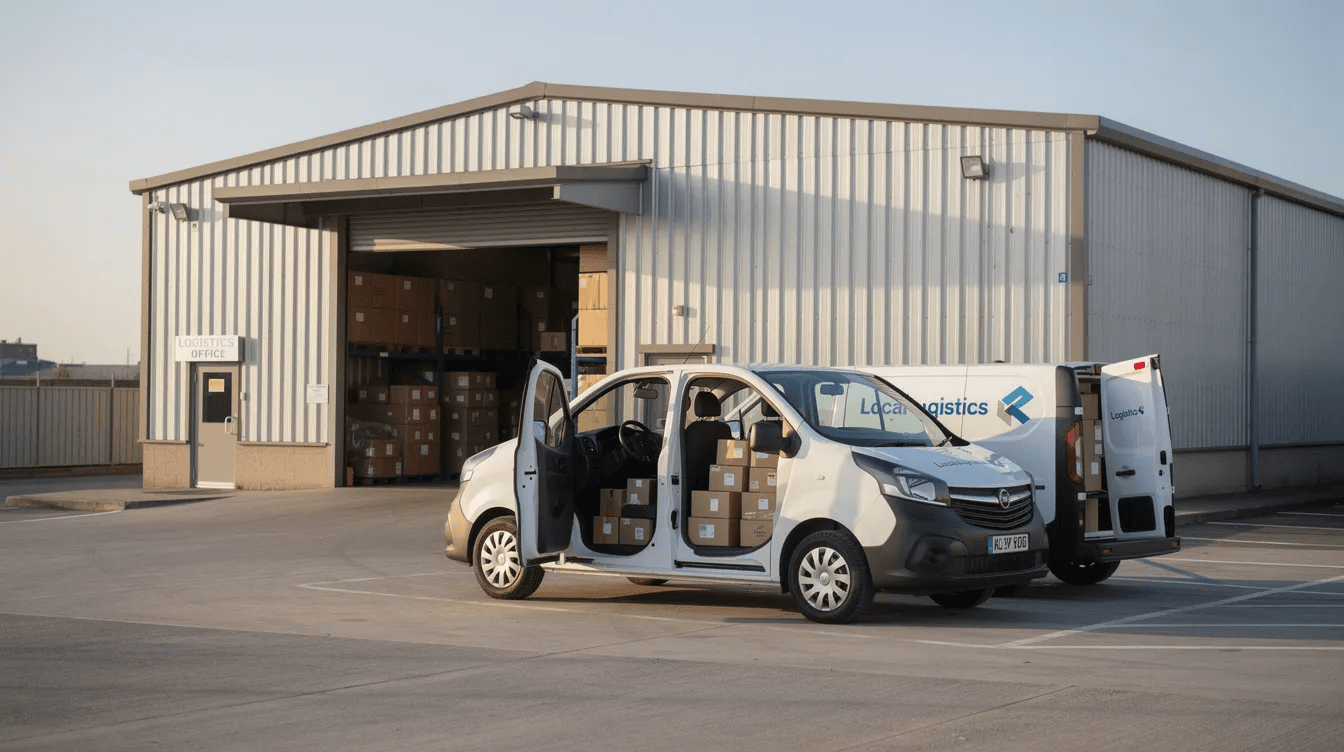
- Replacing a failed van or vehicle in a logistics firm to protect revenue
- Restocking after flood or fire damage to fulfil existing orders
- Bridging a gap caused by a cancelled contract or unexpected expenses
- Covering operating expenses after a major customer goes into administration, depleting your cash reserves
As a business owner, you should use emergency business finance to solve a short-term problem with a realistic plan to repay - not to fund ongoing losses. I advise clients to borrow only when they can see a clear incoming cash flow or recovery within 3–24 months.
Types of emergency business finance we can arrange
Emergency business finance is not one product - it is a toolkit of different business funding options chosen to match speed, cost, and risk. We provide emergency business finance by sourcing across multiple products and emergency financing options simultaneously through our lender panel.
Unsecured business loans
- No property needed, fastest for most SMEs
Secured bridging loans
- Larger sums backed by property or assets
Invoice finance facilities
- Cash released against unpaid invoices
Merchant cash advances
- Repaid from future card takings
Asset finance facilities
- For equipment-specific needs (equipment finance is usually restricted to equipment purchases)
Term loans and working capital facilities
- Including revolving lines (business lines of credit are beneficial for ongoing cash flow fluctuations)
Business overdrafts
- Can allow borrowing up to £50,000 or more for day-to-day needs
As a broker, we compare multiple facilities in parallel to find the best mix of speed, affordability and flexibility. The sections below explain each core option, and when recurring seasonal gaps are an issue we may recommend revolving credit facilities as flexible working capital.
Unsecured emergency business loans: fastest option for most SMEs
Unsecured emergency business loans are usually the quickest route to cash for established SMEs because they do not require legal charges over property. Emergency business loans can be processed in 24 hours, and at Enable Finance many are underwritten using recent bank statements and basic trading information, allowing payout within four hours once approved.
Key parameters for unsecured emergency business loans:
| Parameter | Details |
|---|---|
| Amounts | £10,000 up to around £750,000, depending on turnover and profile |
| Terms | 3 to 60 months (repayment periods can range from 1 to 5 years) |
| Interest rates | Starting around 6% APR for strong profiles; most SMEs pay 9–15%, with higher-risk cases reaching 25%+ |
| Funding speed | Can be funded within 4- 24 hours when documentation is complete |
Some loans require business assets or personal guarantees for security. For any limited company or LLP, lenders typically require the company director to sign personal guarantees, meaning you may need to personally cover the debt if the company defaults. You may need a personal guarantee for larger loans especially. I recommend unsecured loans when the business has solid bank and card turnover but limited security or no time for valuations.
Typical documentation: last 3–6 months of business bank statements, summary of existing borrowing, Companies House details, and basic management information.
Other fast emergency business finance options: invoice finance, merchant cash advances & bridging
Not every emergency is best solved with a straightforward term loan. Sometimes revenue-linked or asset-backed products offer more breathing space or higher limits.
Invoice finance
Advancing up to 90% of unpaid client invoices - invoice finance allows borrowing up to 90% of unpaid invoices - typically within 24–48 hours for simpler facilities. This is ideal for B2B firms with long payment terms waiting on customer payments. When using invoice factoring, it is vital to choose the right invoice factoring company by weighing advance rates, fees, and sector expertise. Both invoice factoring (lender manages collections) and invoice discounting (you retain control) are available. The outstanding balance is paid once your customers settle their accounts receivable.
Merchant cash advances
Funding based on future card takings, repaid as a percentage of future sales from daily card receipts. Merchant cash advances suit hospitality, retail, and e-commerce businesses with strong card revenue. Speed is excellent - often same-day - but effective costs can reach 30–35% APR for riskier profiles.
Bridging loans
Bridging loans: Short term finance secured against property, useful for urgent completion deadlines, auction purchases, or refinancing an expiring facility. Our separate guide explains in detail what a bridging loan is and how it works. Bridging loans provide short-term finance for up to one year and can complete in days when titles are clean.
Emergency finance speed comparison: merchant cash advances are fastest but costliest; invoice finance facilities sit mid-range; secured and unsecured business bridging loans deliver large sums but involve legal and valuation steps. We match each emergency business need to the right product using our software and three decades of experience.
Eligibility criteria for emergency business loans and funding
General eligibility requirements
- Trading history of at least three months (many prefer six months or longer)
- Minimum monthly turnover of £5,000–£20,000 depending on the facility
- A UK business bank account with verifiable trading activity
- Lenders may require a personal guarantee for emergency loans, particularly for larger or unsecured amounts
Credit history considerations
- Many emergency business loans are available even with imperfect credit histories, CCJs, or historic arrears, provided there is evidence of current, sustainable cash flow and a clear plan to repay
- Businesses with adverse credit are not automatically excluded
- We also look at cases post-insolvency (after a CVA or pre-pack administration) where the new entity has viable contracts
Government-supported lending options
- Government-supported lending options are available for eligible businesses in the UK
- Our finance and business blog on UK SME funding explores wider government initiatives and market trends that influence credit availability
- The British Business Bank administers schemes such as the Recovery Loan Scheme, and government-backed finance schemes can offer more favourable terms than commercial lending for qualifying applicants
We serve businesses across every sector - from logistics firms and construction companies to further education colleges, education colleges, and any business group operating under the Northern Ireland protocol. For example, our guide to invoice factoring and discounting for construction companies shows how sector-specific invoice finance can unlock cash tied up in complex contracts. Whether you are a sole trader or a large limited company, what strengthens an application is up-to-date management information, clarity about the cause of the emergency, and realistic forecasts showing how you will repay.
Documents and information to prepare for faster approval
Preparation is the difference between funding in four hours and funding next week. The more organised you are, the faster we and the lenders can move.
Core documents most lenders expect:
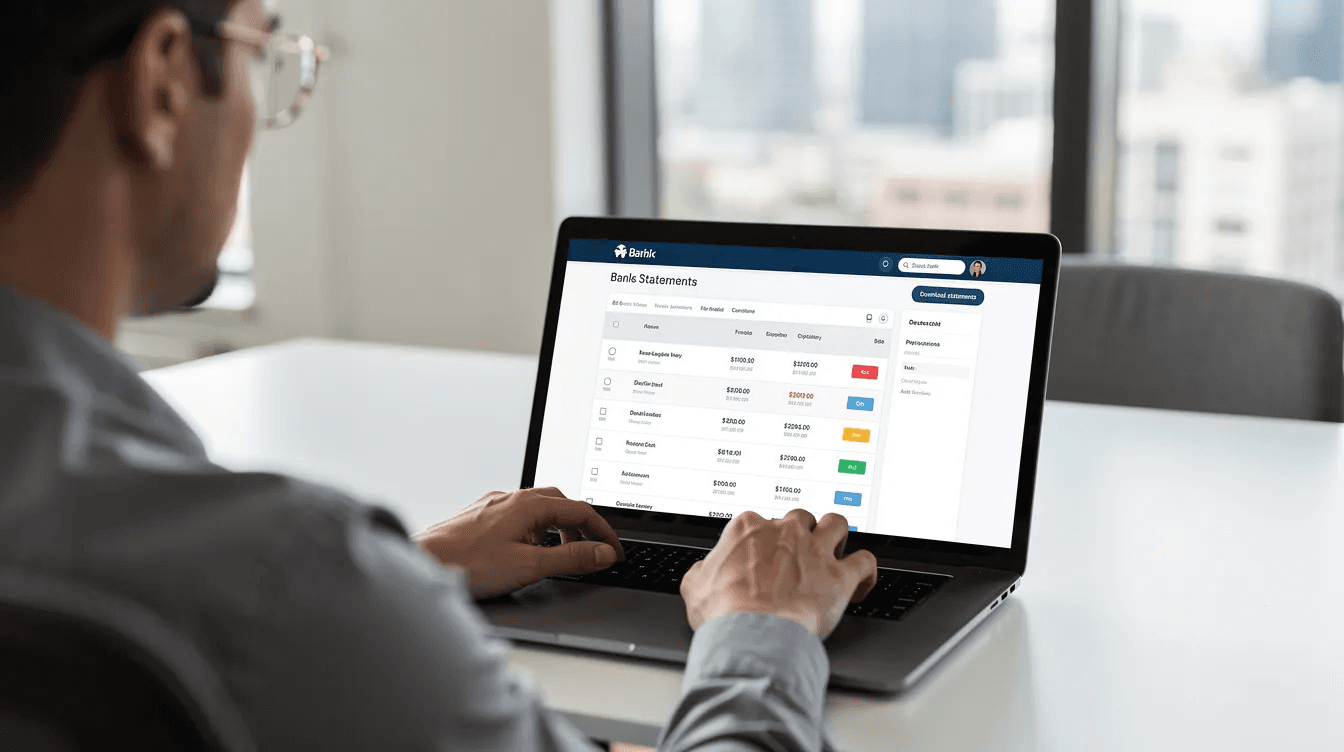
- 3–6 months of business bank statements (download as PDF files directly from your bank)
- Latest filed accounts at Companies House and recent management accounts if available
- A simple cash flow forecast covering the next 3–6 months
- A breakdown of existing business loans and finance commitments
- Details of any HMRC arrears or payment plans
If you are a sole trader or partnership, provide separate business bank statements where possible, keeping your personal financial situation distinct from business finances for underwriting purposes.
From experience: a client who had all bank statements and management figures ready at 9am received an emergency loan offer and same-day payout before close of business. Keep these documents current even when you are not in trouble - it pays to be prepared.
Costs, risks and making the right decision for your business
Emergency business loans can save a company, but they are still debt and must be approached with clear eyes. Interest rates for emergency business finance are usually higher than normal business loans because lenders are moving quickly and accepting greater risk. You should expect higher interest rates than standard bank lending conditions, and the total cost of borrowing includes arrangement fees and penalties as well as interest. Watch for extra fees that are not immediately obvious in headline rates.
Key risks to consider:
- Over-borrowing: Using emergency loans to prop up struggling companies with long-term structural losses can deepen financial issues rather than solve them. Be honest about whether the business is fundamentally viable.
- Facility mismatch: A short-term problem needs a shorter repayment schedule; recurring seasonal gaps suit revolving facilities or invoice finance; property timing issues suit a specialist UK bridging loan facility.
- Personal exposure: Personal guarantees mean your personal financial situation is on the line if the company cannot pay.
Enable Finance provides independent, broker-led guidance. We compare multiple lenders and products so you are not pushed into the first or most expensive offer. You can contact Enable Finance in Sheffield by phone, email or form to discuss your situation in confidence. Speak openly about current and historic financial issues - arrears, CCJs, previous insolvencies - because hiding problems slows or blocks approvals. Transparency helps us position the case correctly under current lending conditions and find the right facility.
How to apply with Enable Finance and what happens next
Applying for an emergency business loan through Enable Finance uses streamlined application processes designed to get you from first call to money in the bank as fast as possible. Applications can be completed online in minutes.
The process:
- Initial enquiry - phone or online form, taking just a few minutes
- Conversation with Phillip or the team - understanding the emergency business situation and what you need
- Document collection - bank statements, key financials, Companies House details
- Rapid sourcing - we search our lender panel using our software to release funds from the best-matched facility. Some lenders can approve loans in under an hour
There is no obligation to proceed until you have seen the proposed interest rates, fees, repayment profile, and understand any security or guarantees requested. We coordinate directly with your accountants or advisors and are used to working under tight deadlines - payroll dates, HMRC enforcement notices, supplier demands.
Contact Phillip Evans at Enable Finance as soon as a potential emergency appears, rather than waiting until creditors are already taking legal action. The earlier you call, the more emergency financing options we have to work with - and the sooner we can get the money your business needs into your bank account.